DIY
With over 90 years of experience, Lowther Loudspeakers has earned a sterling reputation as the premier supplier of full-range drive units for home builders of high-end horn-loaded speakers, offering unparalleled support and guidance at every stage of the DIY journey.
Lowther DIY speaker kits pair genuine Lowther full-range drive units with official Lowther cabinet plans, so you can build a high-end horn or full-range loudspeaker at home. Plans are available to download free for classic Lowther designs - including the Acousta, Bicor, Accolade and Academy - with matched drive units recommended for each cabinet. Lowther has supplied plans and drivers to home builders for over 90 years.
Discover the joy of building your own high-quality speakers. We offer a wide range of speaker plans, and full-range speaker drive units to suit every skill level, from beginner to advanced. Explore our collection below and click on an image to choose between individual drive units, or just the official detailed plans.
Cabinet plans are free to download - choose a cabinet below, create a free account, and download the plans instantly.
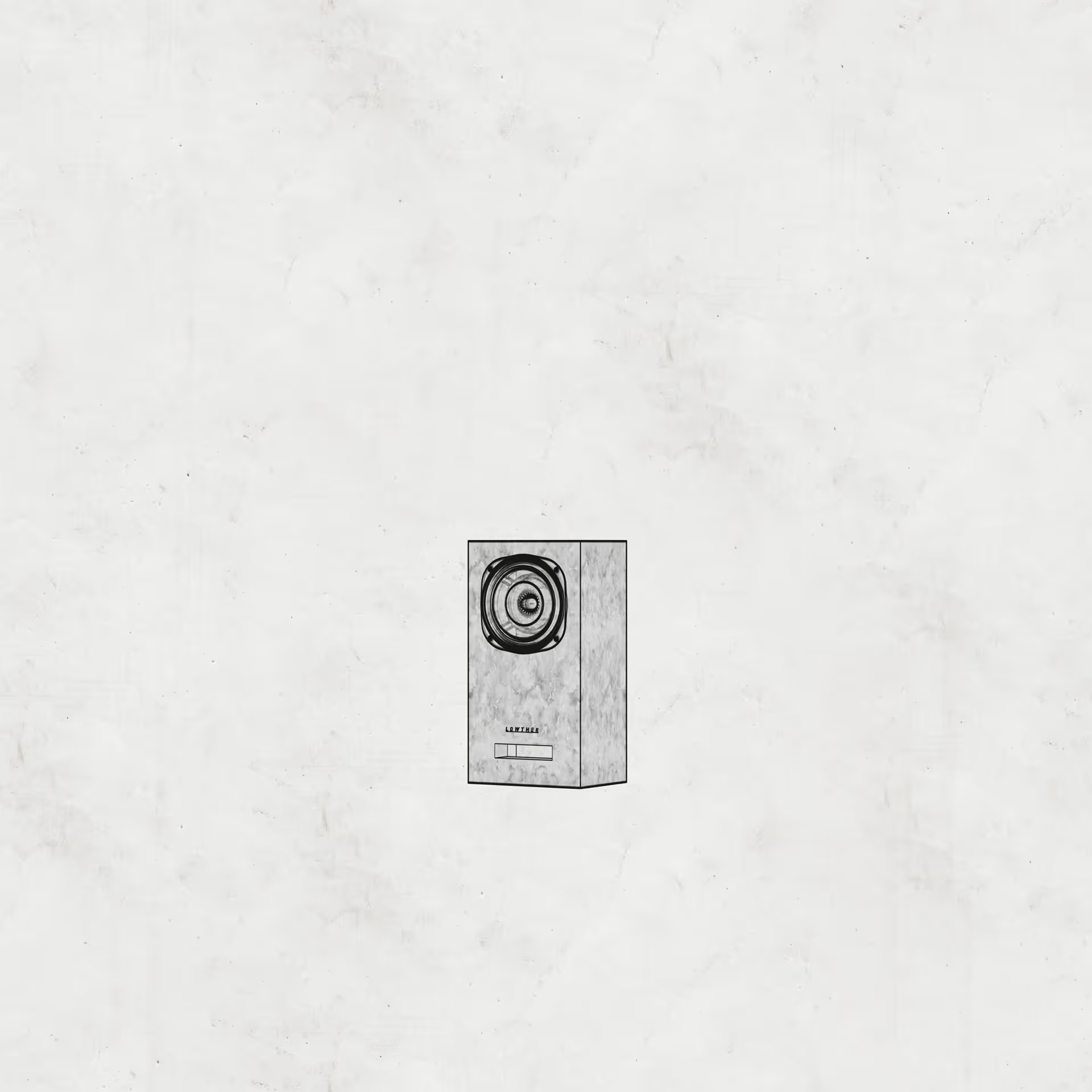
The Acousta 90 is a compact speaker designed for novice home builders looking to embark on their journey into the world of Lowther's more intricate cabinet designs. This bookshelf speaker was first introduced in the 1990s. The simplicity makes it an ideal project for learning the art of veneering, and once you've completed the build, you'll have a pair of drive units ready for your next, more complex project. The Acousta 90 is the perfect starting point for anyone interested in building Lowther speakers, and once you begin, you'll find yourself hooked on the process.
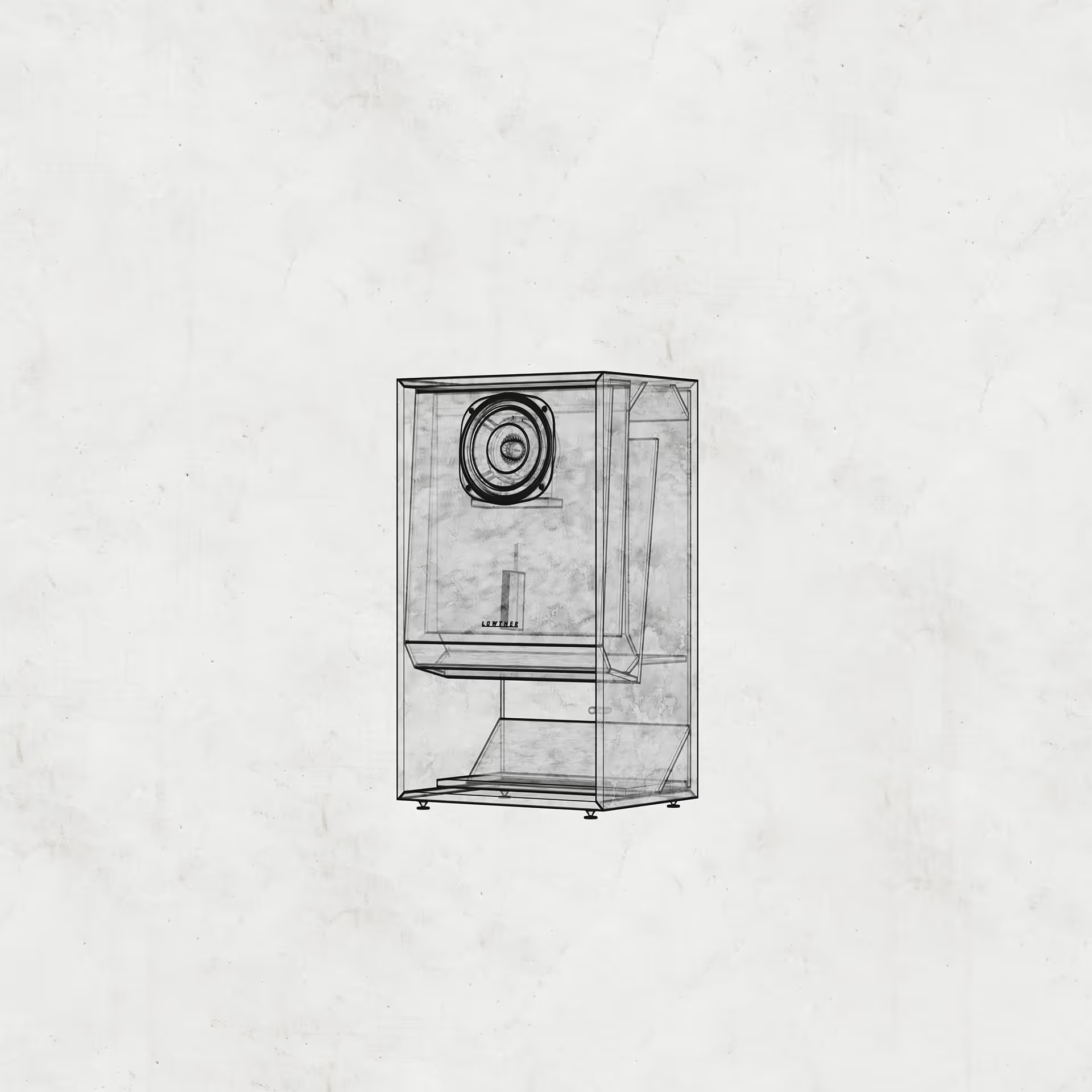
The Acousta 115 was first released in 1962 and was the speaker of choice of Jimi Hendrix. The 116 is the same core design as the 115 but offers a few small improvements to the build. The Acousta range of cabinets was first introduced for the PM6A in the 1950's. We rate this speaker as an intermediate difficulty build. Like all our designs there are a few complicated angles to cut and sealing the cabinet is very important.
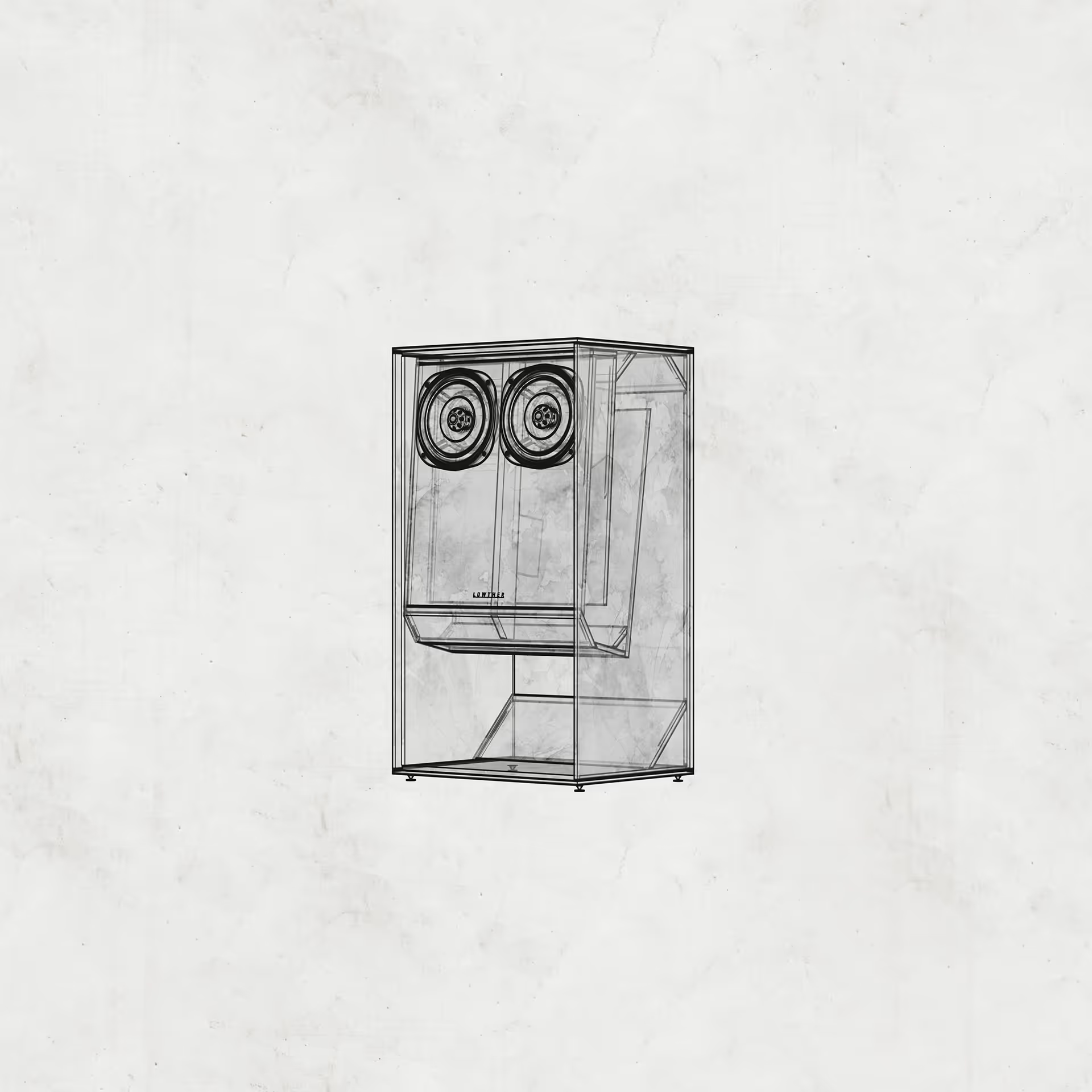
The Acousta 124 was first released in the 1960's. The Acousta range of cabinets was first introduced for the PM6A in the 1950's. We rate this speaker as an intermediate difficulty build. Like all our designs there are a few complicated angles to cut and sealing the cabinet is very important.
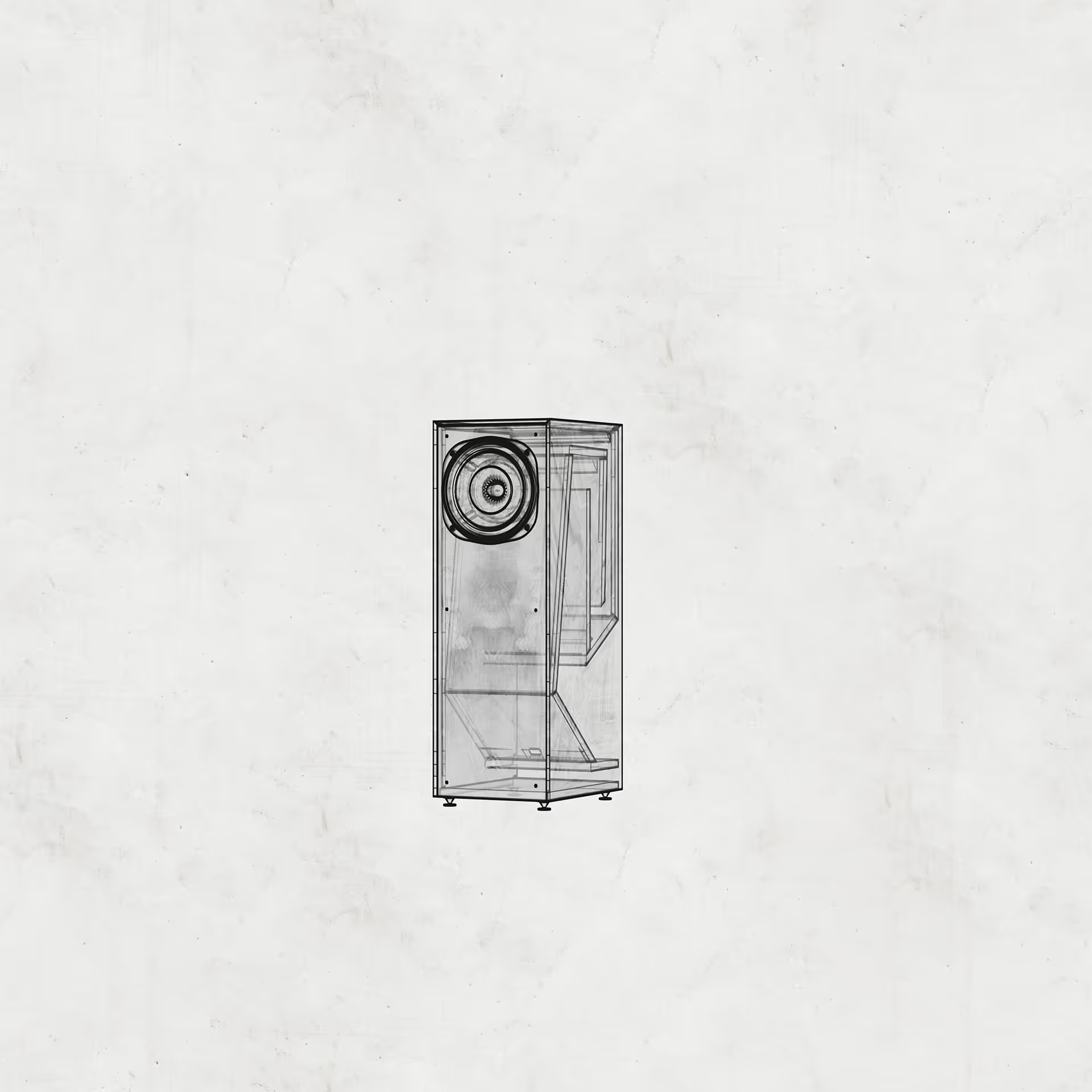
The Bicor 200 was first released in the 1990's. We rate this speaker as an intermediate difficulty build. Like all our designs there are a few complicated angles to cut and sealing the cabinet is very important.
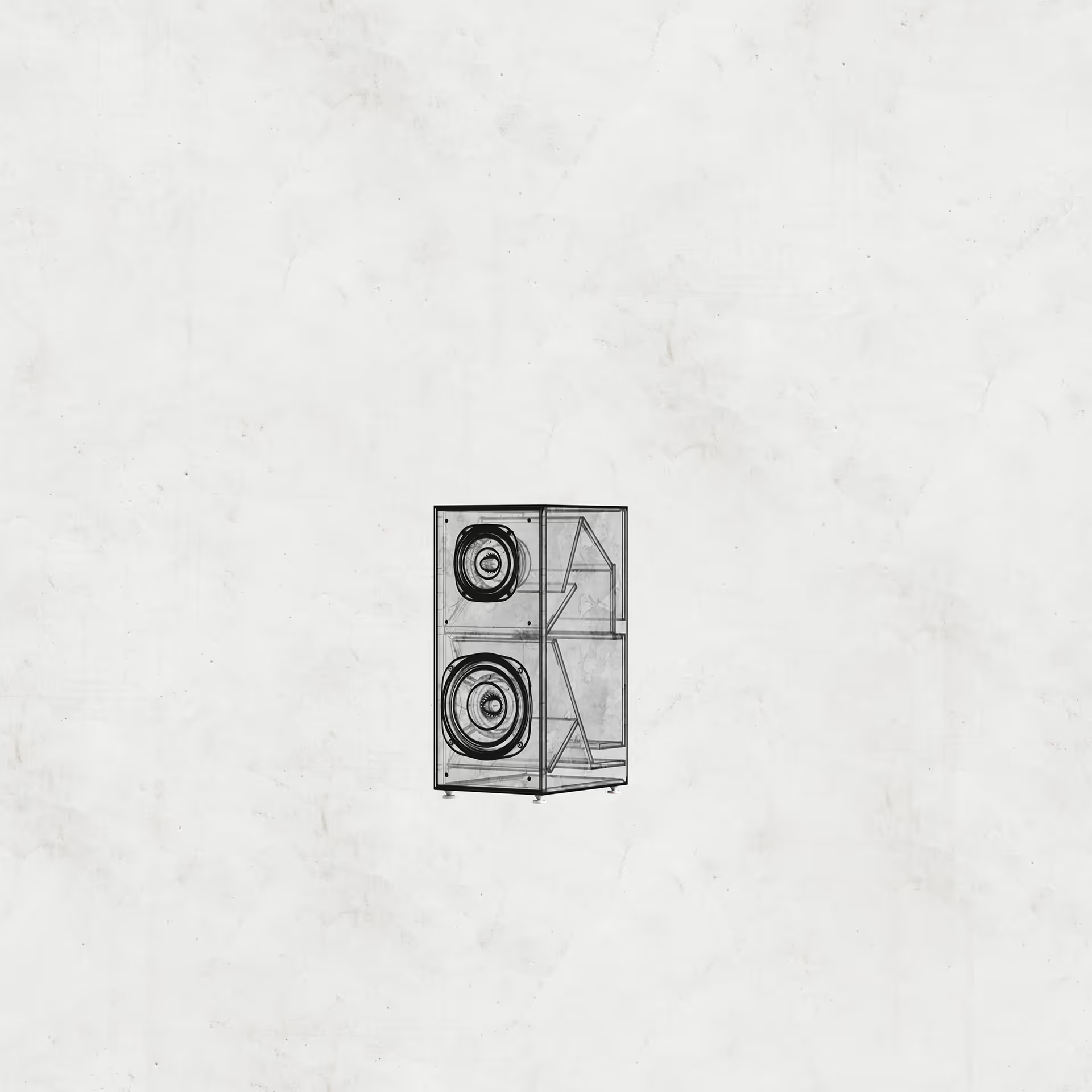
The Accolade 2 was first released in the 1980's. This 2011 version has been modified slightly to fit more drive units. We rate this speaker as an intermediate difficulty build. Like all our designs there are a few complicated angles to cut and sealing the cabinet is very important.
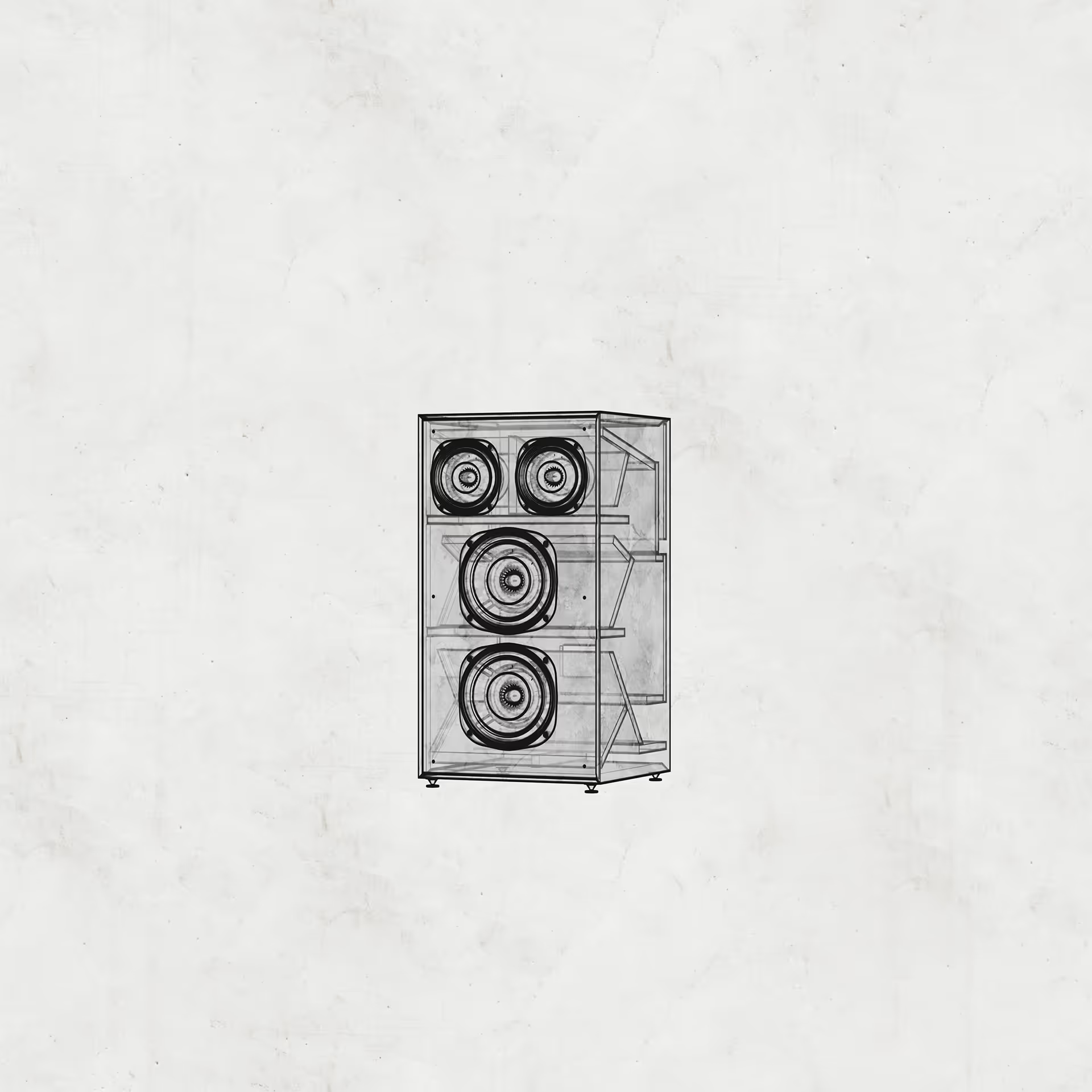
The Accolade 4 was first released in the 1980's. We rate this speaker as an intermediate difficulty build. Like all our designs there are a few complicated angles to cut and sealing the cabinet is very important.
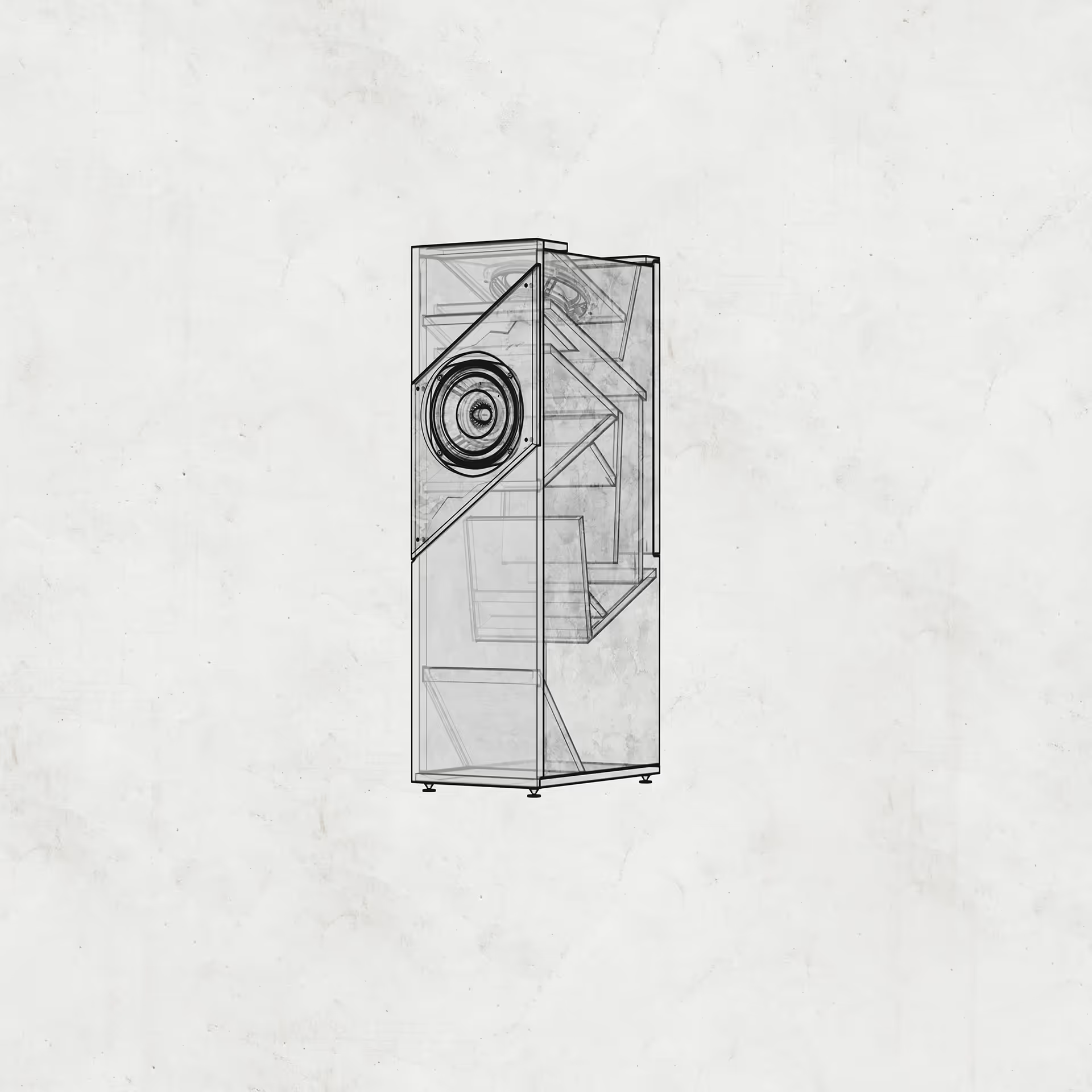
The Lowther Academy was first released as part of a new generation of Lowther Loudspeakers in the 1990's. This popular loudspeaker provides a smooth, even response and a natural bass.
"About 2 years ago I purchased a pair of PM7A's and have since mounted these units in a speaker of my own design. Together with a self built power amp I'm extremely happy with the result. In fact I find the realism jaw dropping."
Gary
"I built my Acousta speakers in 1985 and during that time have used the older PM6A, later PM6C and PM7C. Tried other smaller speakers over the years but always returned to the Acoustas. Singing voice and laid back music sound so so good. Decided when I retired that I would build some fancy horn cabinet utilising the Lowther PM2A chassis speakers. Bought the drivers from Lowther and to 'bed in' them in I decided to fit them to my Acoustas till I got my new horns designed and made. This included moving the front panel forward, increasing the rear chamber for the larger deeper magnet, and altering the volume of the horn chamber and throat area to suit the new drivers. Wired them up switched them on and was immediately amazed at the sound, That was 8 years ago! Never did design the replacement, just kept playing music through my Acoustas with the PM2As - they are all the speaker I will ever need...."
Gary
"I built my Mini Acouster speakers in 1982 from plans provided by Lowther. They have been in continuous service ever since and have undergone 2No drive unit upgrades to the current EX3's. Back in the day, Lowther only supplied the plans. I had to source top quality plywood and spend many hours/days/weeks/months cutting all of the angles and gluing up with airtight joints. But I have never regretted it and they still perform as well today as the day they were completed. But what is this??? You can now purchase a complete kit and build yourself!!! What are you waiting for??? Go and get one and not only enjoy the building, but you will get to hear wonderful sound in your home...just like me!"
Paul Dunstall
"Lowther feels friendly and family like... I set 2020, as the year for Lowther, having read accounts from enthusiastic owners... Until I heard it, i did not believe the accounts... Piano music brings tears..i can imagine that those who choose Lowther speakers with a flatter response which I notice are those with less strong magnets, are missing that very last bit of speed that for me is the Lowther magic. Call me a believer!"
Chieh Schen Teng
Frequently asked
A Lowther DIY project centres on a matched pair of Lowther full-range drive units together with the official Lowther cabinet plans for the design you choose. The plans give the full cut sheet, internal geometry and assembly guidance; you source the cabinet material (we recommend high-grade MDF or Baltic birch plywood) and build the enclosure yourself. Recommended drive units for each cabinet can be added directly to your cart once you are signed in.
Yes. Lowther provides official cabinet plans for classic designs including the Acousta 90, Acousta 115/116, Acousta 124, Bicor 200, Accolade 2, Accolade 4 and the Academy. Create a free account on the Build Your Own Lowther page and you can download the PDF plans at no cost, along with recommended drive units for each cabinet.
Each plan lists a recommended and a standard drive unit. As a guide: the Acousta 90 and Bicor 200 suit a single pair of DX3 Concert (or EX3 Concert sealed) units; the Acousta 115/116 pairs well with the PM6A Sinfonia; the Acousta 124 and Academy use four PM7A Sinfonia or DX3/EX3 Concert units. Full-range Lowther drivers are single-driver, crossover-free designs, so the cabinet is matched to the driver rather than the other way around. If you are unsure, our team will help you choose the right units for your amplifier.
Builds range from Beginner (Acousta 90) through Intermediate (Acousta 115/116, 124, Bicor 200, Accolade 2 and 4) to Advanced (Academy). You will need standard woodworking tools, a table saw or track saw for accurate angled cuts, clamps, wood glue for airtight joints, and finishing equipment for veneering or painting. Sealing the cabinet correctly is the single most important step for good sound.
Choose a cabinet design that matches your chosen Lowther drive unit, download the official plans, cut the panels accurately (paying attention to the angled joints), assemble with airtight glued joints, seal the enclosure, then mount the drive unit and finish the cabinet with veneer or a pigmented lacquer. Because Lowther drivers are full-range, there is no crossover to build, the enclosure does the acoustic work.
The Academy is an advanced Lowther cabinet design first released in the 1990s. It uses two drive units, with the second mounted in the upper section so sound radiates upward and outward for an unusually large sense of scale. Because of its labyrinth and size it is rated an advanced build, and plans are available to download.
Ja. Lowther stellt offizielle Gehäusepläne für klassische Designs wie Acousta 90, Acousta 115/116, Acousta 124, Bicor 200, Accolade 2, Accolade 4 und die Academy bereit. Erstellen Sie auf der Seite „Build Your Own Lowther“ ein kostenloses Konto, dann können Sie die PDF-Pläne kostenlos herunterladen, zusammen mit den empfohlenen Chassis (Drive Units) für jedes Gehäuse. Für die Acousta gab es historisch mehrere Gehäusevarianten; die aktuellen Pläne decken die empfohlenen Ausführungen ab.
Jeder Plan nennt ein empfohlenes und ein Standard-Chassis. Als Orientierung: Acousta 90 und Bicor 200 nutzen ein Paar DX3 Concert (oder EX3 Concert geschlossen); die Acousta 115/116 harmoniert mit dem PM6A Sinfonia; Acousta 124 und Academy verwenden vier PM7A Sinfonia oder DX3/EX3 Concert. Lowther-Chassis sind Breitbänder ohne Frequenzweiche, daher wird das Gehäuse auf das Chassis abgestimmt. Unser Team hilft Ihnen gern bei der Auswahl passend zu Ihrem Verstärker.
Discover the stories, craftsmanship, and passion behind Lowther through our video series.
Episode 1
Episode 2
Episode 3
