The Lowther Journal · 24 October 2026
“Power to the people” Amplifying Lowther drive units. A personal approach
Mike Blackmore
Lowther Loudspeakers · 7 min read
By Mike Blackmore
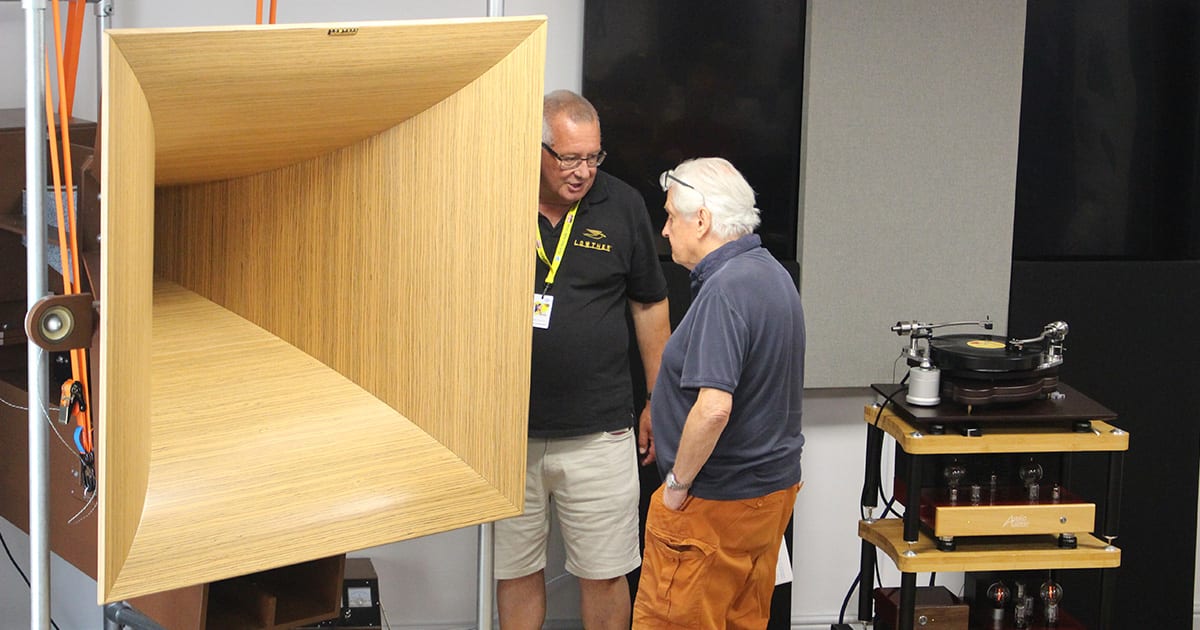
The regular open weekends at the Lowther HQ are always great entertainment as well as enlightening. I do my bit to help the team with making gin and tonics or tea and coffee for the attendees as well as demonstrating all that is on offer. If you haven’t been to an “open weekend” you have missed a great get together of like-minded music enthusiasts who all find Lowther loudspeakers and drive units fulfil their musical aspirations. Look out for the next one on the Lowther Blog. It’s well worth attending.
A common question
As well as fending easier questions about Lowther speaker designs and drive unit nomenclature, I do get some awkward “left field” questions which I try to answer as honestly as I can. I believe I am on reasonably firm ground when trying to describe the difference in the various drive units and speakers, offered by Lowther, with such knowledge coming from a good few years of experience and devotion to Lowther designs and their full range drive units. Obviously when it comes to personal recommendations, in respect of ancillary equipment, my advice is based on my personal experience, preferences and what I like to use in my own home system. One question I get asked repeatedly is which amplifier should I use?
Amplifier questions
I have found that quite a few Lowther users are confused when it comes to amplifying their loudspeakers and drive units. Matching their pre-owned existing amplification with Lowther drive units can sometimes cause confusion. An existing amplifier is not always an ideal match and I have sometimes to gently tell people this is the unfortunate case. In particular I get questions on whether I can recommend sold state (transistor) or valve (tube) power amplification with the Lowther products. Customers wrongly assume valve/tube amplification will be best. “Which should I use” people ask me? My simple answer is both. But before going into detail I believe some back ground information is required.
Experience helps
My system is based on 60 years of experience with audio gear. I won’t bore you with details but it’s suffice to say it’s all about what I’ve been able to afford, as well as a self-realisation as to the sort of sound I like. Over the years it’s fair to say both my musical and audio tastes have changed somewhat. These days I desire a system which works with all types of music as my tastes are very “catholic”. Musicality is paramount in my choice of equipment. I think someone hearing my (relatively) humble system, for the first time, might describe the sound as fast, detailed, but well balanced. I’ve never been someone who craves tons of mega bass and an excruciating bright top end. Like Paul Voigt said “we live in the midrange”, but that’s not to say I don’t appreciate sub woofers and super tweeters. As my previous articles for this Blog show I’m partial to what these devices can bring in terms of increased musicality.
A myth?
Research the internet and you will come across the so called “infamous Lowther shout”. This refers to the alleged frequency peak of some vintage, as opposed to modern, Lowther full range drivers to sometimes sound overly forward and harsh to some listeners. I truly believe that I have never experienced this phenomenon due to my careful matching of drive units with quality low powered amplifiers. This is very much due to what I mention and recommend below. Forethought is the key as………
Efficacy is the thing
I believe that matching power amplification with the speakers/drive units being used is of paramount importance. This is where my use of Lowther full range drivers has a bearing on my own personal power amplification. You see the thing about Lowther drivers is their incredible efficiency. This practically means that not a lot of power, just a few watts, produces a sufficient volume and therefore they work exceptionally well with quality low powered amplifiers. A mega watt amplifier is neither desirable nor needed. I am, and you are, therefore free to use both low powered valve amplifiers and equivalent low power solid state designs. This will mean sound quality is always paramount. Does this mean just a few watts of power is always adequate? Well in a nutshell yes.
I have in the past used very low powered “single ended triode” power amps with stunning success. (Some of my favourite designs feature 2A3 and 45 valves/tubes). I know the Lowther drive units are rated for power handling up to 100 watts but you’d soon be deaf if that is what you perversely decide is needed. Remember “all power corrupts but mega power corrupts absolutely” unless you’re using really hard to drive inefficient loudspeakers…………which Lowther’s are certainly not. My message is high power amplifiers are neither necessary or desirable.
A class sojourn
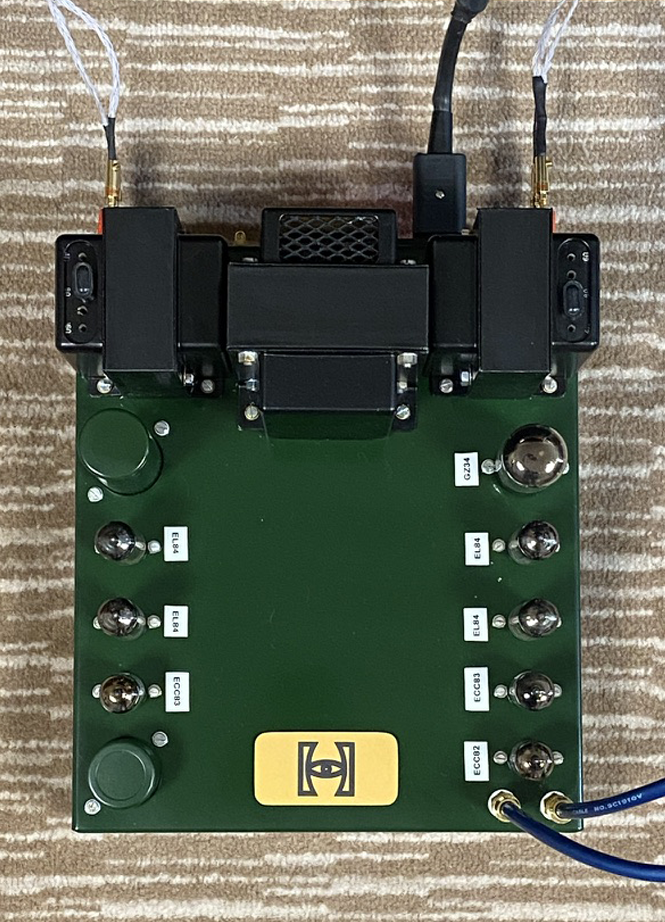
John Howes’s modified Leak Stereo 20.
I have over all these years been seeking out and listening to lower powered amplifiers of mostly the Class A or of special circuit design. This passion dates back to the days of my dear old Dad who was always a big fan of Class A amplifiers. I’ve listened to, and sometimes owned, amplifiers of a “esoteric nature”. To tell you about all this now would be a bit boring, so if you want a potted history of the long journey seek me out at a Lowther open weekend event. Nevertheless you might like to know my system now includes a very exciting John Howes, (Lowther Museum), special edition Leak circuit Stereo 20 valve power amplifier (which is modified to run in triode mode) as well as an equally special solid state push/pull power amp. This amp is the First Watt F7 power amp from audio amplifier guru Nelson Pass. The F7 is a very component light, minimalist, design which is also Class A and like the Howes Leak Stereo 20 is low powered. The Nelson Pass First Watt designs work particularly well with Lowther full range drivers. I love both my power amps for their sound and musicality and I don’t have a favourite. They both bring different things to the music making, and I can honestly say they are both very (musically) special. Neither amp is that cheap to purchase but neither are they ridiculously priced. In Audio terms they are bargains. Both power amps are, in many respects, the best I’ve ever used in my whole life. Goose bumps come with no extra cost! I love the magical effect both have on the sound quality I receive from my music system.

Image: First Watt
Impedance matching?
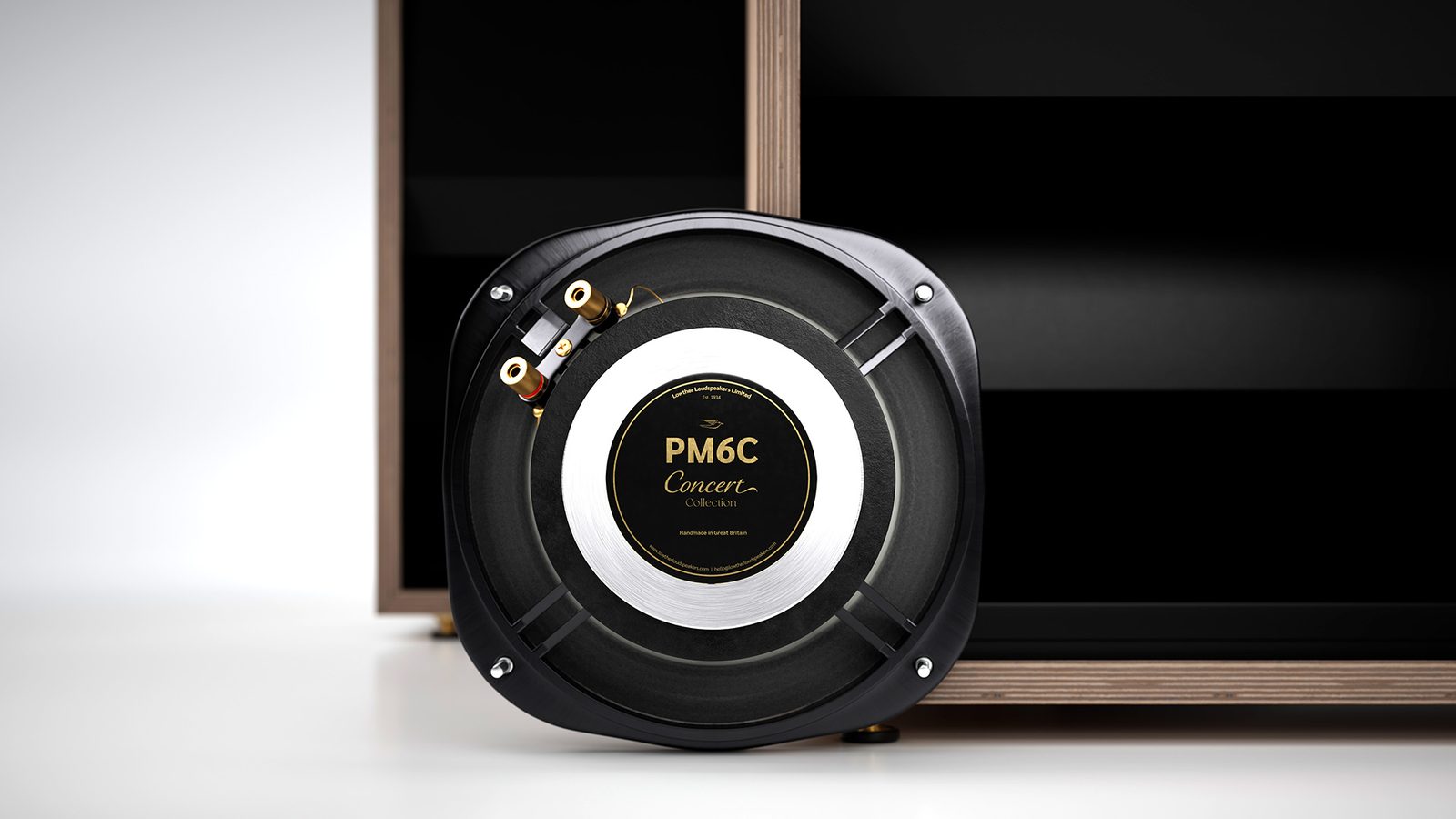
Both these amps allow for a good degree of impedance matching. As I’ve got older I’ve realised this is a great feature in matching your speakers to the amplifier driving them. With the Howes Leak this is done by way of removable links on the transformers, whilst the First Watt F7 adjusts to the impedance it finds. With my 8ohm PM7A’s it is a perfect match. Don’t forget the Lowther drive units are available in both 15ohm or 8ohm options so an amplifier that offers a degree of matching is worth seeking out but not necessarily a deal breaker. Remember your choice of material for the voice coil of your chosen drive unit will also have a subtle effect on the overall sound you obtain. Having such choice in respect of these materials (aluminium or silver) is why you chose Lowther in the first place! In my view this makes the Lowther experience somewhat unique.
The Lowther approach to power amps
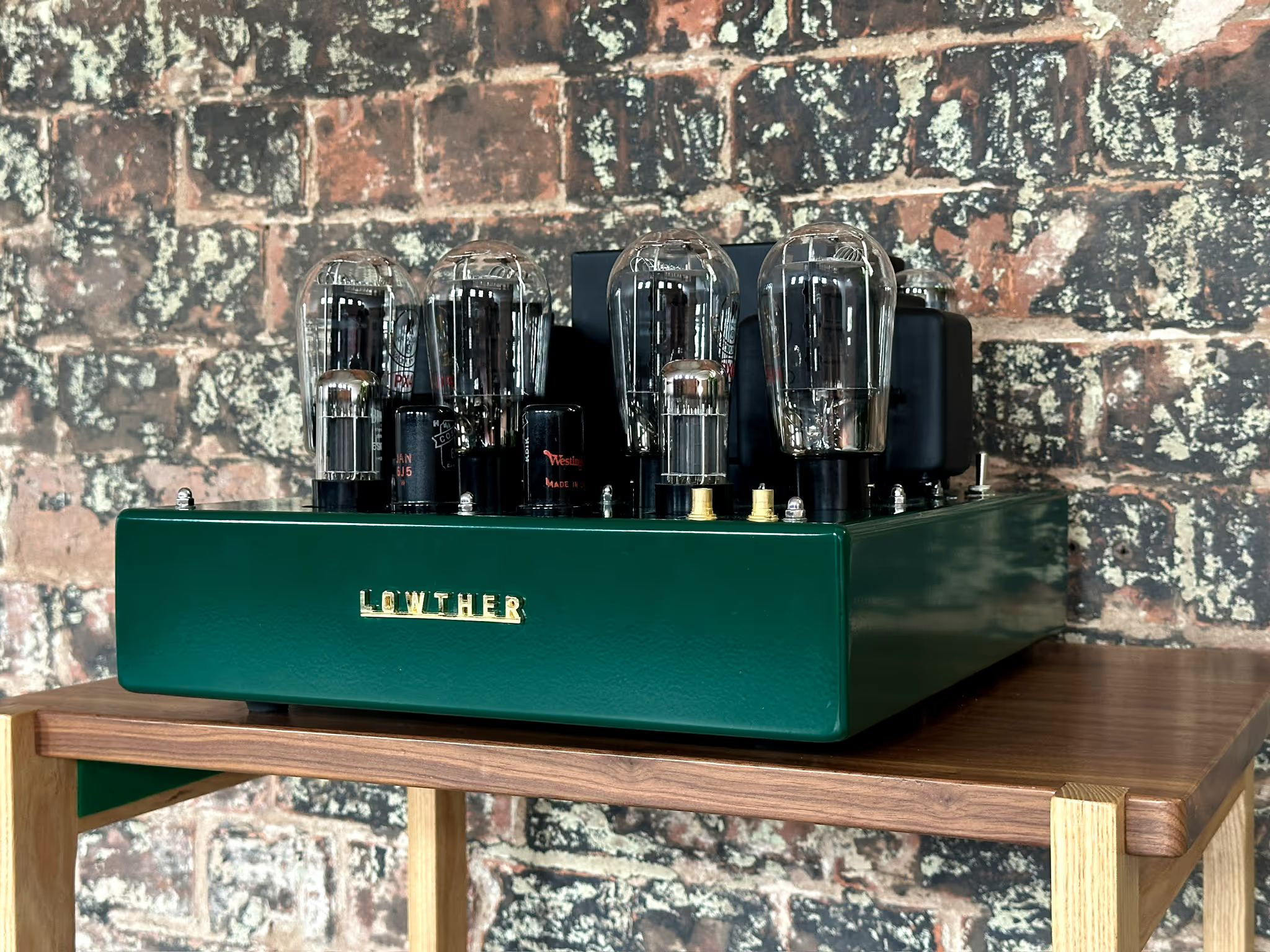
It would be remiss of me not to mention that Lowther’s own PX4 valve amplifier is also a very special and desirable musical beast. The PX4 is the British answer to the famous Western Electric 300B power valve/tube. In my humble view it’s better! I like the clean detailed but very musical sound of this particular valve/tube. The amps four PX4 valves give it an output of 10 watts a channel in Class A push pull mode. That’s even less than either of my already low power amps! But if you’ve never heard it you won’t know how powerful and musical it sounds. It’s a very classy hand made amp and the price reflects this. Suffice to say it’s an amplifier of no compromises and is built for a lifetime’s pleasure and use. Please audition ASAP………….it will give you a reference sound to aim for.
I repeat again because Lowther speakers/drive units are so efficient, classy well thought out low powered amplifiers, both tube and solid state, are completely catered for and in my mind should always be used. Don’t be tempted to use high powered mega watt amplifiers with your Lowther’s. It’s not really necessary or even desirable. Also remember that a few watts of valve power inevitably sounds louder than the equivalent solid state power. Why? I don’t know, it just does!
Help is at hand
The good news is we are all here to help with all your questions and queries you might have, in matching your Lowther speakers to your amplifier, to get the best possible sound. Years of experience are on hand for you to access. Our advice is based on real human experiences. No AI bots are involved. All you need to do is to contact us via the website and follow the details which are set out. This is all part of joining the Lowther family! I hope the above is helpful but please let us know if further articles in respect of matching equipment are useful?
Keep listening and please contact us for any help.
Mike Blackmore
Lowther lover and quality low power amp aficionado
News roundup
Out in the hi‑fi world
- 01
Portable listening
Sony's new high-end Walkman rangeSony has announced three new premium Walkman digital audio players: the NW-WM1ZM3, NW-WM1AM3 and NW-ZX900. Dedicated portable players are still being developed for listeners who want music hardware separate from their phones.
- 02
Amplification
Nagra AMP II-S and the first watts of Class AThe Nagra AMP II-S is reported as a 120-watt stereo amplifier operating in Class A for its first 10 watts. An interesting companion to Mike Blackmore's discussion of matching amplification to efficient Lowther drive units.
- 03
DIY audio
A DIY eight-channel DAC for Raspberry Pi 5An enthusiast is developing an eight-channel balanced DAC using two ESS Sabre chips for Raspberry Pi 5. The design is at the community-feedback stage, with potential uses in active speakers and digital crossovers; it is not a tested commercial product.